Posted on September 28th, 2022 by Mary Lord
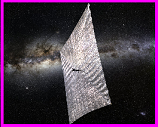 Teams of students in grades 7 to 9 follow the engineering design process to create, construct, test, and improve model solar sails made of aluminum foil to move cardboard tube satellites through “space” on a string. During the process, they learn about Newton’s laws of motion and the transfer of energy from wave energy to mechanical energy.
Read More
Filed under: Class Activities, Grades 6-8, Grades 6-8, Grades 9-12, Grades 9-12, Lesson Plans | Comments Off on Solar Sails: The Future of Space Travel
Tags: Aerospace, Class Activities, Design, energy transfer, Engineering Design Process, forces and motion, Grades 6-8, Grades 9-12, Lesson Plan, Newton, Newton's Laws, NGSS aligned activity, solar sails, space exploration, spacecraft, teachengineering
Posted on April 19th, 2022 by Mary Lord
 Kids love exploring the world around them, and Earth Day offers a great way to introduce them to environmental science and engineering. The following sampler includes activities, lessons, and resources that promote green engineering and science learning.
Read More
Filed under: Class Activities, Grades 6-8, Grades 9-12, Grades K-5, K-12 Outreach Programs, Lesson Plans, Special Features, Web Resources | Comments Off on Earth Day Resources
Tags: Class Activities, Curriculum, Earth Day, Energy, Engineering is Everywhere, Environmental Engineering, Environmental science, Green design, green roof, groundwater, Internet Resources, inventor, Lesson Plan, Lesson Plans, marine debris, NOAA, Ocean Cleanup, plastic, Pollution, Resources for Teachers, SENSE IT, Sustainability, Teacher Resources, Trash, vertical farming, Videos, waste, Web Resources, Wind Energy
Posted on April 11th, 2020 by Mary Lord
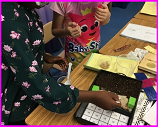 With schools closed during the Covid-19 pandemic, ASEE members and other engineering and technology educators are posting daily design challenges, hosting teacher meetups, and creating ways to engage students in STEM learning at home.
Read More
Filed under: Class Activities, Grades 6-8, Grades 6-8, Grades 9-12, Grades 9-12, Grades K-5, Grades K-5, K-12 Outreach Programs, Lesson Plans, Special Features, Web Resources | Comments Off on STEM @ Home Resources
Tags: American Society for Engineering Education, Class Activities, COVID-19, Curriculum, digital libraries, distance education, home schooling, Internet Resources, Lesson Plans, remote instruction, Resources for Teachers, STEM education, Web Resources
Posted on April 6th, 2020 by Mary Lord
 Middle school students measure how much dust, pollen, and other particulate matter is present in the air around them by placing “pollution detectors” in various locations and then examining the captured air particles to determine which places have more or fewer airborne particles. In a companion activity, they engineer methods of removing contaminants.
Read More
Filed under: Class Activities, Grades 6-8, Grades 6-8, Lesson Plans | Comments Off on I Breathe WHAT?!
Tags: air pollution, data, Environmental Engineering, investigation, measurement, NGSS aligned, pollen
Posted on December 17th, 2019 by Mary Lord
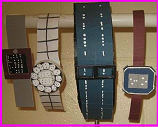 Students in grades 6 to 8 follow the engineering design process while combining mechanical engineering and bioengineering to create a new wristwatch face for a visually impaired student at their school. Teams present their designs to the class and construct prototypes of a watch face that doesn’t rely on sight to tell time.
Read More
Filed under: Class Activities, Grades 6-8, Grades 6-8, Lesson Plans | Comments Off on Wristwatch Design for the Visually Impaired
Tags: accessibility, assistive devices, bioengineering, Class Activities, Engineering Design Process, Grades 6-8, Human-centered design, Lesson Plans, Mechanical engineering, NGSS aligned activity, teachengineering, visually impaired students, wristwatch
Posted on September 23rd, 2019 by ASEE
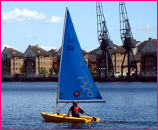 In this lesson, students in grades 2 – 7 use simple materials to design and make model sailboats that must stay upright and sail straight in a testing tank. They will learn the basic components of a ship and how design represents a tradeoff between speed, stability, and ease of handling.
Read More
Filed under: Class Activities, Grades 6-8, Grades 6-8, Grades K-5, Grades K-5, Lesson Plans | 1 Comment »
Tags: buoyancy, Class Activities, Lesson Plan, Ocean, sailboat, wind power
Posted on March 7th, 2019 by Mary Lord
 Just as athletes “learn from the game,” the annual NCAA March Madness basketball competition offers students a timely, engaging way to hone their STEM knowledge and skills. eGFI has compiled some bracket-busting resources to pep up your math and science classes.
Read More
Filed under: Class Activities, Grades 6-8, Grades 6-8, Grades 9-12, Grades 9-12, Grades K-5, Grades K-5, Lesson Plans, Special Features, Web Resources | Comments Off on March Madness STEM Resources
Tags: basketball, bracketOdds, Class Activities, Curriculum, Engineering, Grades 6-8, Grades 9-12, Grades K-5, hoops, Internet Resources, Lesson Plans, March Madness, NCAA, Physics, Resources for Teachers, Sports, STEM education, Teacher Resources
Posted on February 8th, 2019 by Mary Lord
 In this activity, teams of students in grades 6 to 8 will learn about the engineering design process and how a one-way valve works by creating heart valves from tape, plastic tubing, and other materials.
Read More
Filed under: Class Activities, Grades 6-8, Grades 6-8, Grades 6-8, Grades 9-12, Lesson Plans | 1 Comment »
Tags: biomdedical engineering, Class Activities, device, Engineering Design Process, Grades 6-8, heart, Lesson Plan, Mechanical engineering, valve
Posted on September 27th, 2017 by Mary Lord
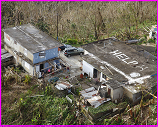 Hurricanes, earthquakes, and other destructive events offer timely “teachable moments” about the role of engineers in improving weather forecasts and reducing the toll from natural disasters. eGFI Teachers’s collection of activities, feature articles, and other resources can help you integrate engineering into your classes – and inspire the next generation of “crisis” engineers.
Read More
Filed under: Class Activities, Grades 6-8, Grades 6-8, Grades 9-12, Grades 9-12, Grades K-5, Grades K-5, Lesson Plans, Special Features | Comments Off on Disaster Engineering
Tags: Army Corps of Engineers, build, building, Class Activities, data, Disaster relief, drought, Engineering, Environmental Engineering, erosion, forces, hurricane, Hurricane Maria, measure, Mining, motion, National Guard, natural disasters, Physics, rescue, storm, Structural Engineering, Teacher Resources, Technology, tornado, Weather, Web Resources